
What VA Benefits and Aging Care Resources Are Available to Veterans and Their Families?
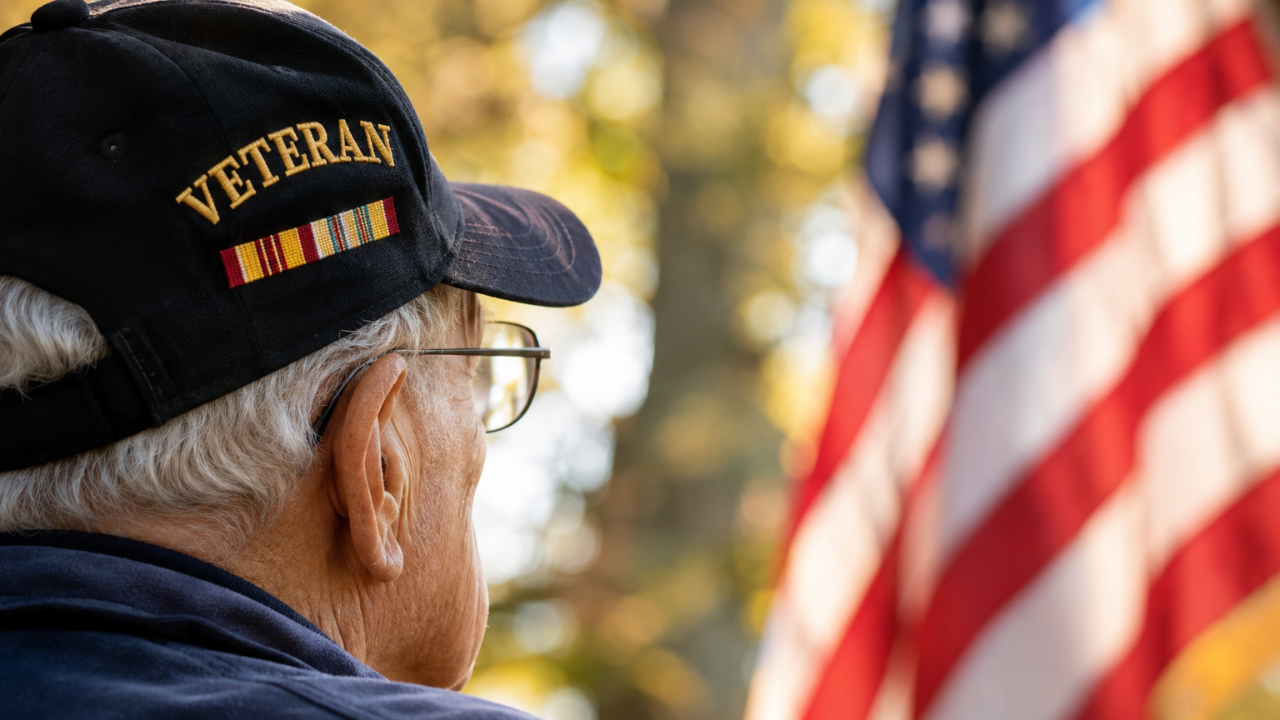
Because caring for our veterans shouldn't end when their service does.
Every Veterans Day, we pause to honor the men and women who have served our country. We thank them for their courage, their sacrifices, and their commitment to protecting the freedoms we enjoy. It's a time to reflect on their service and recognize the lasting contributions they've made to our communities.
But as our veterans grow older, honoring their service should mean more than expressing our gratitude one day each year. It should also mean helping them understand and access the care, support, and resources that may be available to them.
At Dovetail Companies, we work with older adults and families navigating the decisions that come with aging, from planning for future care to exploring living arrangements and selling a longtime home. Through this work, we've seen how overwhelming it can be for families to understand the resources available to them, especially when veterans' benefits are part of the conversation.
Many veterans and surviving spouses may be unaware of programs that could help with care needs, daily living, or financial planning. And even when families know these benefits exist, understanding eligibility and knowing where to begin can feel complicated.
Whether you're a veteran planning for your future, a spouse caring for someone you love, or an adult child helping a parent explore their options, here are several VA programs worth knowing about.
1. VA Aid and Attendance: Additional Financial Support for Qualifying Veterans and Survivors
One important benefit to explore is VA Aid and Attendance, which may provide an increased monthly pension amount to qualifying veterans and survivors who need additional assistance.
This benefit is designed for individuals who meet applicable VA pension requirements and have certain care needs, such as requiring help with everyday activities including bathing, dressing, or eating. Other qualifying circumstances may include significant visual impairment, being bedridden because of illness, or receiving nursing home care due to physical or cognitive limitations.
For eligible individuals, the additional pension income may help offset expenses associated with personal care, support at home, or care in a residential setting.
One thing families may not realize is that Aid and Attendance under the VA pension program does not require the veteran's care needs to result from a service-connected injury. However, eligibility does depend on several factors, including qualifying military service, pension eligibility, financial circumstances, and specific care requirements.
Some surviving spouses may also qualify for additional benefits through the VA Survivors Pension program.
Because eligibility rules can be complex, we encourage families to speak with a qualified Veterans Service Officer or VA-accredited representative before making assumptions about whether they qualify.
Learn more: VA Aid and Attendance and Housebound Benefits
2. Homemaker and Home Health Aide Care: Helping Veterans Remain at Home
For many older veterans, remaining in their own homes is an important priority. Familiar surroundings, established routines, and connections to neighbors and community can contribute significantly to comfort and quality of life.
The VA's Homemaker and Home Health Aide Care program may help eligible veterans receive personal care assistance in their homes through approved community providers.
Depending on the individual's assessed needs, services may include help with bathing, dressing, grooming, eating, using the bathroom, moving safely around the home, or certain everyday activities.
This type of assistance can be particularly valuable when a veteran needs additional support but does not necessarily require residential care. It may also help reduce some of the responsibilities placed on spouses and family caregivers.
The services provided, number of authorized hours, potential copayments, and local availability depend on VA requirements and individual circumstances. A VA social worker can help determine whether the program may be appropriate.
Learn more: VA Homemaker and Home Health Aide Care
3. Home-Based Primary Care: Medical Support in the Comfort of Home
For veterans living with complex medical conditions, getting to appointments and coordinating care can become increasingly challenging.
The VA's Home-Based Primary Care program provides coordinated healthcare services in the home for eligible veterans whose ongoing medical conditions affect their health and daily activities.
Depending on individual needs and program availability, services may involve primary care providers, nurses, social workers, rehabilitation professionals, pharmacists, and other members of an interdisciplinary healthcare team.
The goal is to provide coordinated medical care that supports the veteran's health and daily functioning while helping them remain in a familiar environment when appropriate.
This program is different from traditional home care because it focuses on medical treatment and ongoing healthcare management rather than primarily assisting with personal care tasks.
A VA healthcare provider or social worker can help families understand whether Home-Based Primary Care is available and appropriate for their situation.
Learn more: VA Home-Based Primary Care
4. Veteran-Directed Care: More Choice in How Support Is Provided
For some veterans, maintaining independence means having a greater voice in how care is arranged and who provides it.
The VA's Veteran-Directed Care program offers eligible veterans an opportunity to take a more active role in planning and directing approved home and community-based services.
Through this program, a veteran or authorized representative works with a counselor to develop a care plan and manage a budget for eligible services. Depending on program rules and circumstances, this may include hiring caregivers selected by the veteran, potentially including certain family members or friends.
This approach can offer greater flexibility for individuals who want support tailored to their routines, preferences, and daily needs.
Veteran-Directed Care is not available in every location, and participation depends on eligibility, clinical need, and local program availability.
Learn more: VA Veteran-Directed Care
5. Caregiver Support and Respite: Because Families Need Support, Too
Behind many aging veterans is a spouse, adult child, family member, or friend helping manage appointments, medications, household responsibilities, and daily care.
Caregiving can be deeply meaningful, but it can also become physically and emotionally demanding, particularly as someone's needs increase.
The VA offers caregiver support through programs designed to provide education, guidance, peer support, training, and other resources.
Its Program of General Caregiver Support Services may offer support to eligible caregivers, while the Program of Comprehensive Assistance for Family Caregivers provides additional benefits for those who meet more specific requirements. Depending on eligibility, these benefits may include a caregiver stipend, certain healthcare benefits, counseling, and respite services.
Respite care is particularly important because it allows caregivers to take a break while their loved one receives appropriate support.
Supporting a veteran also means recognizing the needs of the people who care for them. Families should not have to wait until they are exhausted to begin exploring available resources.
Learn more: VA Caregiver Support Program
6. Additional Resources for Aging Veterans
Beyond these programs, the VA offers a broader range of services that may be helpful as veterans' needs change over time.
Depending on eligibility and local availability, options may include adult day health care, skilled home health services, dementia-related support, palliative care, hospice care, and certain residential or nursing home services.
Veterans and their families may also benefit from exploring state and local resources. Here in Massachusetts, local Veterans Service Officers can be an important starting point for understanding benefits, identifying available programs, and connecting with appropriate assistance.
One of the most valuable steps a family can take is establishing a relationship with a knowledgeable Veterans Service Officer before a crisis occurs.
These professionals can help families understand where to begin and determine whether additional guidance from a VA-accredited representative or other specialist is needed.
Helpful resources:
This Veterans Day, Let's Turn Gratitude Into Action
As we honor our veterans, we also have an opportunity to make sure they and their families know where to turn when additional support becomes necessary.
If you have an older veteran in your life, consider starting a conversation about whether they've explored the benefits available to them. Ask how they're managing at home, whether additional assistance would make daily life easier, and whether they have someone they trust to help navigate VA resources if their needs change.
These conversations don't need to begin with a crisis, and they don't need to result in immediate decisions. Sometimes, simply learning about the available options can help a family feel more prepared.
It's also important to remember that veterans are individuals with their own preferences, priorities, and hopes for the future. Some may want to remain in their longtime homes, while others may be considering senior living, moving closer to family, or making changes to simplify everyday life.
The goal is not to make decisions for them. It's to help ensure they have the information, choices, and support needed to make decisions that reflect what matters most.
Supporting Veterans Through Life's Next Chapter
At Dovetail Companies, our mission is to help older adults and their families navigate life's transitions with greater Calm · Clarity · Connection™.
We understand that aging brings interconnected decisions about health, home, finances, independence, and future care. For veterans and their families, understanding available VA benefits can be another important part of that planning process.
While Dovetail does not determine VA eligibility or prepare benefits claims, we can help families identify questions worth exploring, connect with appropriate Veterans Service Officers and qualified professionals, and consider how available resources may fit into their larger plans.
Whether you're exploring additional care at home, considering a different living arrangement, preparing for a move, or thinking about selling a longtime home, you don't have to figure out every piece at once.
This Veterans Day, we extend our heartfelt gratitude to everyone who has served our country. Thank you for your service, your sacrifices, and the many ways you continue to contribute to our communities.
It is our privilege to support veterans and their families as they navigate the next chapter of life with dignity, respect, and care.
Dovetail Companies provides education, options counseling, transition planning, and connections to qualified professionals. VA eligibility and benefit determinations are made by the U.S. Department of Veterans Affairs. For assistance with VA benefit claims, consult a VA-accredited representative or qualified Veterans Service Officer.
Navigating a Later-Life Transition?
At Dovetail Companies, we help older adults and their families navigate the decisions that come with planning, rightsizing, moving, and selling a longtime home. Our approach brings Calm · Clarity · Connection™ to the process—helping you understand your options, determine the right next steps, and connect with trusted professionals when additional support is needed.
Whether you're planning ahead or already facing a transition, you don't have to figure out every piece at once.
617-227-1600
[email protected]
